Wondering why one Corte Madera condo gets immediate attention while another lingers? In a market where presentation can shape how quickly buyers engage, the difference often comes down to preparation, not just price. If you are planning to sell a condo or townhome in Corte Madera, a smart pre-sale plan can help your home feel brighter, more functional, and easier for buyers to say yes to. Let’s dive in.
Why prep matters in Corte Madera
Corte Madera has been moving faster than many surrounding markets. Over the three months ending May 2026, the median sale price was $2.1 million and homes sold in about 10 days, compared with Marin County’s $1.6 million median sale price and 21-day median days on market.
That said, condos and townhomes can behave a little differently. In Corte Madera, only a few active condos are on the market, with a median listing price around $693,000 and about 71 days on market, while Marin County townhouses and condos are showing typical days on market of roughly 55 and 54 days. The takeaway is simple: if your home feels polished and move-in ready, it has a better chance to stand out.
Focus on what buyers notice first
For most condo and townhome sellers, the goal is not a major remodel. The goal is to make the home feel easy to live in from the moment a buyer walks through the door.
Staging research supports that approach. A 2025 survey found that 83% of buyers’ agents said staging made it easier for clients to visualize a property, and 29% said staging increased the dollar value offered by 1% to 10%. The rooms with the biggest impact were the living room, primary bedroom, and kitchen.
Prioritize light and layout
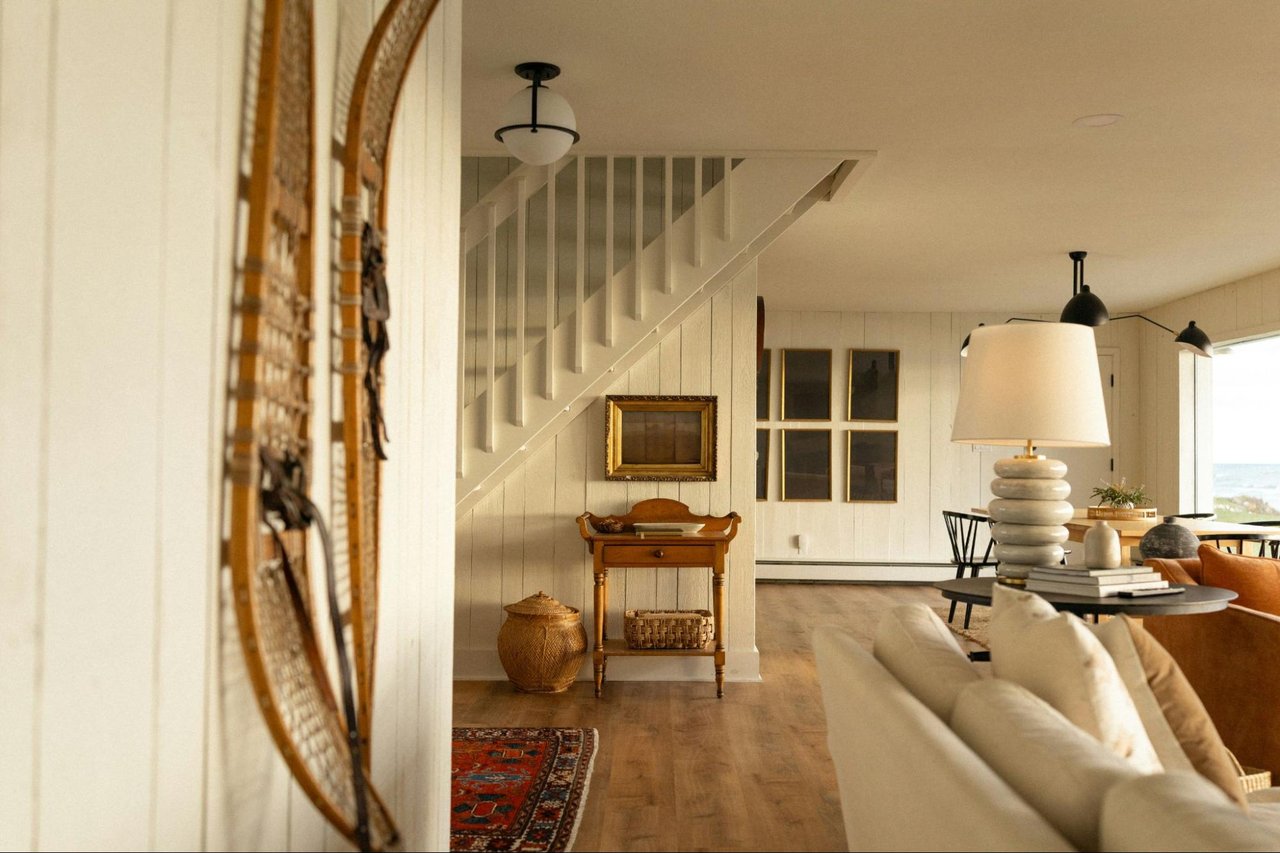
Buyers tend to respond to homes that feel open, bright, and well arranged. In a condo or townhome, that often means reducing furniture, opening up sightlines, and making sure each room has a clear purpose.
If a room feels cramped, the fix is usually subtraction, not addition. Removing extra chairs, oversized storage pieces, or too much décor can make circulation feel easier and the footprint feel larger.
Make storage look useful
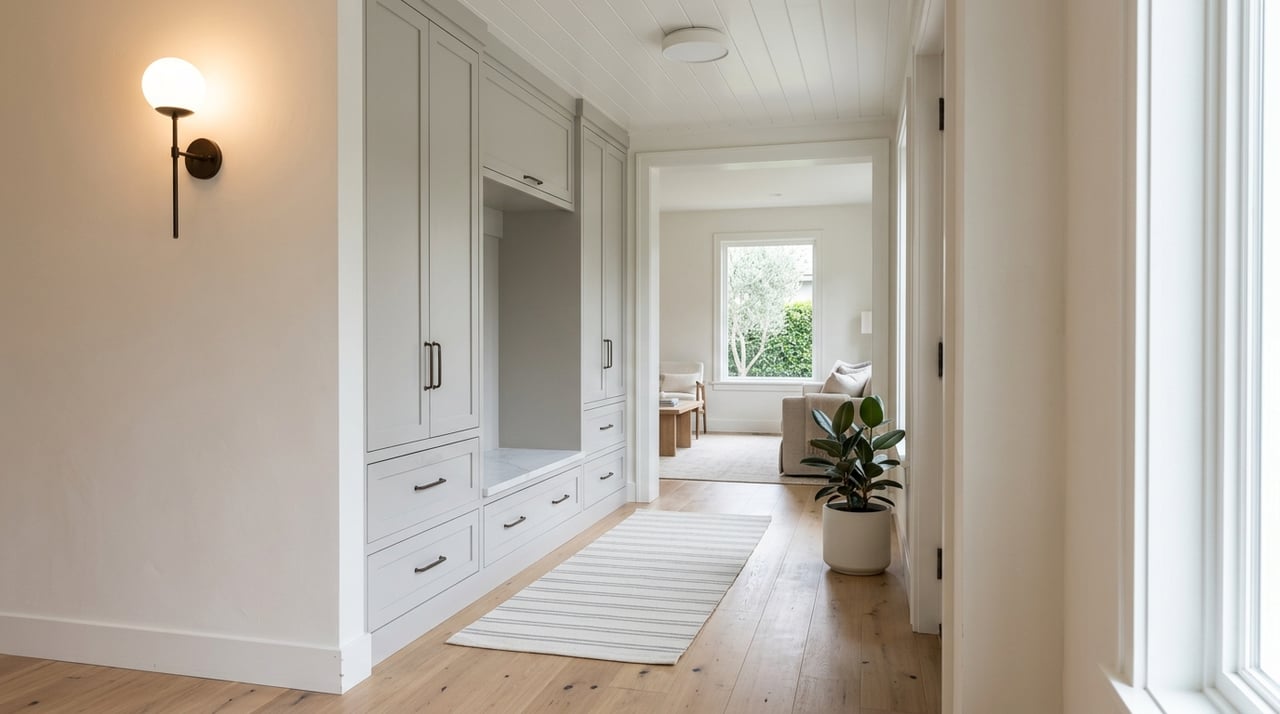
Storage matters in attached housing, but it should not look overstuffed. Closets, cabinets, garage areas, and built-ins should feel organized and intentional.
Try to treat storage as a feature, not a holding zone. Buyers notice when shelving is neat, closets are only partly full, and everyday items are edited down.
Clean up the cosmetic details
Small flaws can create the impression that bigger issues may exist. Worn caulk, loose hardware, scuffed walls, dated light bulbs, and visible wear are all easy for buyers to spot.
This is often where sellers get the best return for their time and effort. Fresh paint, minor repairs, deep cleaning, and updated lighting can make a home feel more current without changing its bones.
What today’s buyers are looking for
Current Marin condo and townhome listings highlight many of the same features again and again. Buyers are responding to light, storage, garage access, patios, and updated kitchens.
That does not mean you need to renovate every surface. It means your preparation should help those benefits read clearly in person and in marketing photos.
Highlight practical features
If your unit has good natural light, make sure window coverings and furniture placement support it. If you have a patio, garage, or useful built-ins, make those spaces look clean, open, and functional.
An updated kitchen also tends to carry weight with buyers. Even if a full remodel is not on the table, clean counters, simple styling, and refreshed hardware or lighting can help the kitchen present better.
Separate cosmetic work from permit work
One of the most important steps in Corte Madera is knowing when a simple prep project stops being cosmetic. The Town’s Building Division reviews permit applications for compliance with structural, electrical, mechanical, plumbing, and energy-efficiency rules, and it warns that most construction activities, including new work, alterations, and many repairs, require permits.
If work starts without proper approvals, sellers can face stop-work orders, retroactive review, delays, fines, and insurance problems. That is why a low-stress prep plan starts by sorting true cosmetic work from anything that may require review.
Ask these questions before work begins
Before any vendor starts, consider whether the project touches:
- Electrical systems
- Plumbing systems
- Mechanical systems
- Structural elements
- Energy-related improvements
If it does, confirm whether a permit is required. If your condo or townhome is governed by an HOA, you should also check with the association before moving ahead, since CC&Rs may affect what is allowed.
Order the HOA packet early
For condo and townhome sales, presentation is only part of the story. Buyers also want clarity around the association, monthly dues, reserves, insurance, and any pending costs.
California requires extensive common-interest-development disclosures before transfer of title or execution of the sales contract. These documents can include governing documents, the latest budget and reserve materials, current assessments and unpaid fees, unresolved violation notices, defect information, rental restrictions, requested board minutes from the last 12 months, and the most recent exterior elevated element inspection report.
Why early review matters
Ordering the HOA resale packet early gives you time to review what a buyer will see. If there are upcoming assessment changes, reserve concerns, rental restrictions, or financing questions, it is better to know before your home goes live.
Upon written request, the association must provide the required Section 4525 documents within 10 days, and the seller is responsible for the document fees. That timeline alone is a good reason not to wait until the last minute.
Questions buyers often ask
Buyers commonly want to know:
- What are the current HOA dues?
- Are there pending or approved assessments?
- How well funded are the reserves?
- Are there rental or lease restrictions?
- Is the project FHA or VA approved?
- Has the exterior elevated element inspection been completed, and were repairs recommended?
When you have those answers ready, your sale tends to feel more transparent and better organized.
Watch for hazard and fire-related disclosures
Some properties in California also trigger natural hazard disclosures. If the property is in a mapped flood, earthquake, seismic, or fire hazard zone, those disclosures may apply.
For homes built before January 1, 2010 in a high or very high fire hazard severity zone, a separate fire-hardening disclosure is also required. As of July 1, 2025, that notice must include low-cost retrofit items and identify which ones, if any, were completed during the seller’s ownership.
If a final inspection report for wildfire-related compliance has already been obtained, that report or its location must also be provided. This is another reason to start your prep process early and keep your paperwork organized.
A low-disruption seller plan
The smoothest condo and townhome sales usually follow a clear sequence. Instead of launching while repairs, approvals, and disclosures are still in motion, it is often more effective to prepare everything first.
A practical five-step approach
- Order the HOA resale packet early. Review dues, reserves, assessments, rental limits, insurance information, and FHA or VA status.
- Walk the home like a buyer. Focus on what affects light, flow, and storage, especially in the living room, primary bedroom, and kitchen.
- Separate cosmetic work from permit work. Confirm Town and HOA requirements before any project begins.
- Keep the finish list tight. Prioritize paint, lighting, hardware, minor repairs, deep cleaning, and staging.
- Launch only when everything is ready. A complete presentation and disclosure package can support a stronger market debut.
Where concierge support can help
If this sounds like a lot to manage, that is because it can be. Coordinating vendors, sorting approvals, improving presentation, and keeping the timeline on track often requires steady oversight.
That is where a structured pre-sale approach can make a real difference. Phillipa Criswell’s Next Level Concierge is designed to help sellers with staging, cosmetic upgrades, and renovation management through a more streamlined, low-friction process.
In a market like Corte Madera, where buyers move quickly but still scrutinize value, that kind of preparation can help your home meet the moment. The right plan is not about doing everything. It is about doing the right things, in the right order, so your condo or townhome shows at its best.
If you are thinking about selling in Corte Madera or nearby Marin communities, Phillipa Criswell can help you create a thoughtful, market-ready plan with clear local guidance and hands-on support.
FAQs
What should I fix before listing a Corte Madera condo?
- Focus first on decluttering, deep cleaning, paint touch-ups, lighting, minor repairs, and furniture editing that improves flow and light.
Do Corte Madera condo updates need permits?
- Many projects do if they involve structural, electrical, mechanical, plumbing, or energy-related work, so you should confirm requirements with the Town before starting.
When should I order HOA documents for a Marin condo sale?
- Early in the prep process, since the association has 10 days after a written request to provide the required Section 4525 documents.
What do buyers review in a condo HOA packet?
- Buyers often review dues, reserve funding, assessments, rental restrictions, governing documents, board minutes, insurance summaries, and inspection-related disclosures.
How important is staging for a Corte Madera townhome sale?
- Staging and decluttering can be very important because they help buyers visualize the home, especially in the living room, primary bedroom, and kitchen.
What features matter most to Marin condo buyers?
- Current listings suggest buyers pay close attention to light, storage, garage access, patios, and updated kitchens.