By Phillipa Criswell
Walk through enough luxury homes in Belvedere and Tiburon and you start to notice a pattern. The properties that feel effortless aren't necessarily the ones with the most technology. They're the ones where the technology quietly does its job and gets out of the way.
Smart home technology can be a genuine asset or, in some cases, an expensive complication. The difference often comes down to a simple question: does the technology serve the house and the way you live, or does it exist largely for its own sake?
Key Takeaways
- The best home technology serves how you actually live rather than simply looking impressive on paper.
- Highly customized or proprietary systems can carry an obsolescence risk as technology and manufacturer support change.
- For part-time and second homes, remote monitoring and protection can be particularly valuable.
- Flexible, widely supported systems are generally easier to maintain, understand and adapt over time.
The Real Question: Does the Technology Serve the Home?
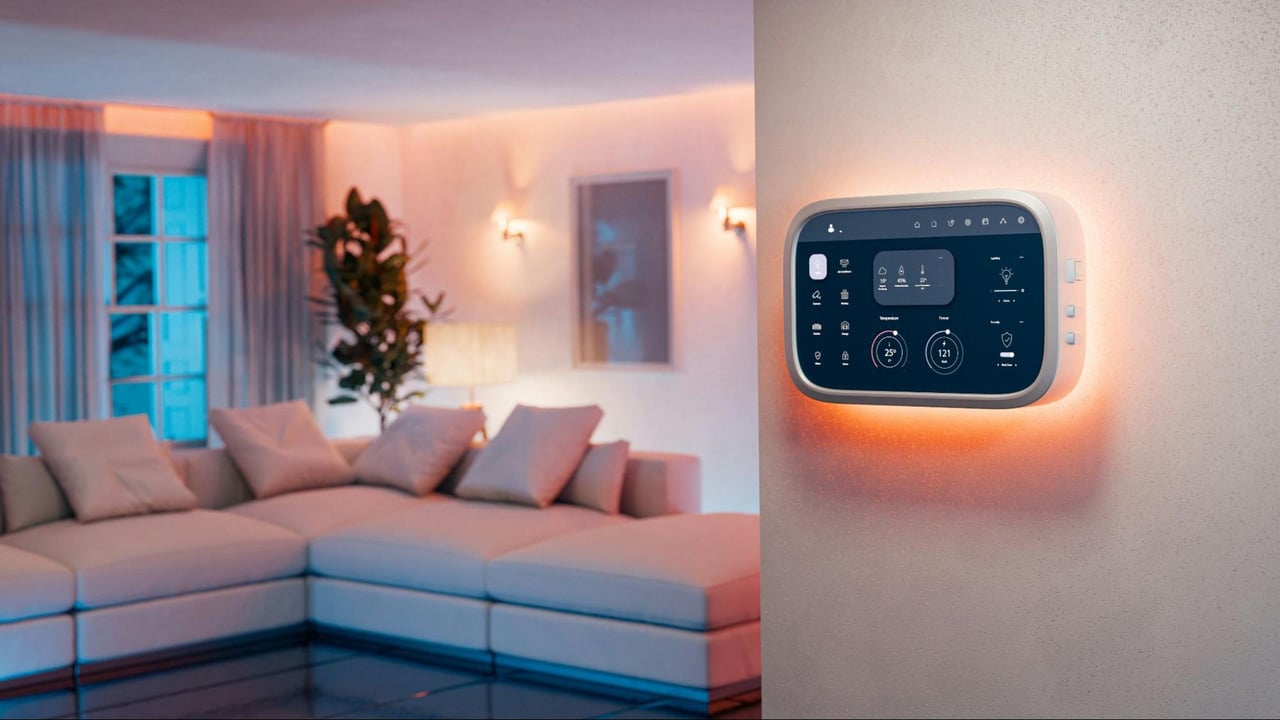
There was a time when a wall of touchscreens and a rack of specialized equipment signaled a cutting-edge home. Today, sophisticated home technology is often far less visible. The best systems tend to operate quietly in the background, making everyday living easier without demanding constant attention.
That shift changes how I think about smart-home features. The question isn't simply, "Is this impressive?" but rather, "Does this make the home work better for the people who live here?"
Technology is most useful when it solves a real problem reliably and intuitively.
The Obsolescence Risk of Proprietary Systems
One consideration with highly customized smart-home systems is what happens as the technology ages. A system that depends heavily on proprietary hardware, software or a specialized installer may become more difficult or expensive to maintain as products change and manufacturer support evolves.
What to Consider
- Future support — Some highly customized systems can become difficult or expensive to update as hardware, software and manufacturer support change.
- Service requirements — Proprietary setups may require technicians familiar with a particular system, which can limit service options and increase costs.
- Ease of use — A complicated system that worked well for one owner may not be appealing to the next owner if it requires extensive instruction or ongoing technical support.
- Compatibility — As devices and platforms change, older components may not always integrate easily with newer technology.
The point isn't to avoid technology. It's to think beyond what a system can do today and consider how practical it may be to own, maintain and update over time.
What Actually Matters: Protection and Peace of Mind
For properties in Belvedere and Tiburon that serve as second homes or are unoccupied for periods of time, some of the most valuable technology may be the least glamorous. Systems that help an owner monitor and protect a property remotely can provide genuine peace of mind.
Technology That Can Be Particularly Useful
- Security and remote access — Cameras, video doorbells and smart locks can allow owners to see and manage access to the property when they're away.
- Leak detection — Water sensors can provide an early warning of a leak before a relatively small problem turns into extensive damage.
- Climate monitoring — Remote temperature and humidity monitoring can alert an owner to unusual conditions or equipment problems.
- Automated shades and gates — Motorized shades can help protect interiors from prolonged sun exposure, while remotely controlled gates can provide convenient property access.
- Remote monitoring and alerts — Notifications can make it possible to respond quickly when something unexpected happens at a property.
These are practical applications of smart-home technology because they address problems that can arise when no one is at the property to notice them.
Prioritize Flexibility and Simplicity
When evaluating existing home technology or considering an upgrade, flexibility, reliability and ease of use are worth weighing alongside the number of features a system offers.
A system that is intuitive and reasonably easy to service may ultimately be more useful than a highly elaborate installation that depends on one particular provider or requires extensive technical knowledge.
Technology also changes quickly. Systems that can work with widely supported devices and platforms may be easier to adapt as individual components eventually need to be updated or replaced.
The objective isn't necessarily to make a home as automated as possible. It's to choose technology that makes the home easier to live in, easier to protect and reasonably straightforward to maintain.
FAQs
Does smart home technology add value to a luxury home?
It can, particularly when the technology is practical, reliable and easy to use. Features related to security, remote monitoring, energy management and property protection may be attractive to buyers. However, an elaborate system that is difficult or expensive to operate can have the opposite effect. The usefulness and condition of the technology matter more than simply having a long list of automated features.
Will my smart home system become obsolete?
All technology changes over time, but the rate varies considerably. Some proprietary systems may become harder to service or update as hardware and software evolve, while other systems can remain useful for many years. When evaluating a system, it is worth considering ongoing manufacturer support, availability of service and how easily individual components can be updated or replaced.
What smart features matter most for a second home?
For a property that sits empty for periods of time, remote monitoring and protection can be especially useful. Security, leak detection, temperature and humidity monitoring, and remote access can help an owner identify a problem early and respond before it becomes more serious.
Thinking About Buying or Selling in Belvedere or Tiburon?
Smart-home technology is one more part of evaluating a property carefully. When I'm helping a buyer assess a home, or a seller prepare one for market, I look at whether the existing systems are practical, understandable and likely to remain useful — not simply whether the home has a long list of automated features.
If you are considering buying or selling a home in Belvedere or Tiburon, I can help you look at the property as a whole, including the features that may matter in day-to-day ownership and eventual resale.
Phillipa Criswell