Should you paint, replace the counters, and restage, or list your Tiburon home as-is and move on? It is a common question, and the answer depends on your market, your timeline, and your numbers. If you want to maximize your net, you need a clear plan tied to how buyers in Marin actually shop and what they will pay for. In this guide, you will see which projects tend to return the most, what they cost in our area, how to sequence work, and when selling as-is makes more sense. Let’s dive in.
How Marin’s market shapes ROI
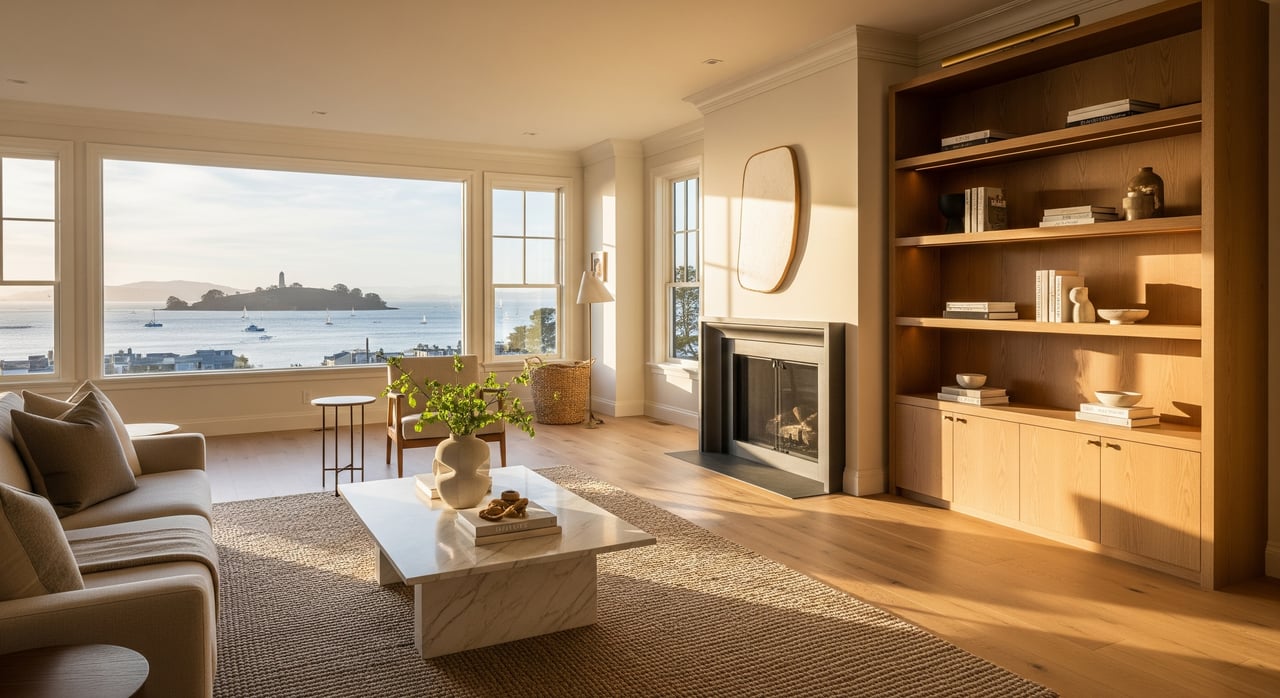
Tiburon and many Marin neighborhoods sit in higher price tiers, so buyers usually expect quality finishes, well-maintained systems, and attractive outdoor spaces. Views and location can drive a large share of value, which means presentation should highlight light, sightlines, and outdoor living. In the luxury and near-luxury segment, buyers often prefer move-in ready, but many will still invest post-purchase if the layout, setting, and bones are strong. Your job is to remove big objections and showcase potential.
Market tempo matters. In low-inventory stretches, strong photos and first impressions can shorten days on market and help spark competition. In slower periods, buyers have more leverage, so it is harder to recoup large renovation costs. Always weigh carrying costs and time-to-market when deciding whether to take on bigger projects.
Start with a quick assessment
Begin with a focused pre-listing assessment. A broker comparative market analysis will show where your home sits against recent Tiburon, Belvedere and nearby Marin comps. Ask what updated homes are achieving versus as-is properties. Then schedule a contractor walk-through and a staging consultation to size the work and its impact. A pre-listing inspection can also surface items that could become negotiation points.
High-impact, low-cost wins
A few targeted improvements usually deliver the best ROI in Tiburon. These upgrades polish photos, improve showings, and reduce buyer objections without heavy timelines.
- Interior paint, neutral palette
- Typical Marin cost: often 3,000 to 10,000 dollars for small to mid homes, more for larger or high-ceiling homes.
- Why it works: Fresh paint hides wear, unifies spaces, and broadens appeal. It is one of the most effective prep dollars you can spend.
- Declutter, deep clean, and staging
- Typical cost: professional staging can range from several thousand dollars to 10,000 dollars or more in high-end homes, depending on duration.
- Why it works: Staging helps buyers visualize scale and lifestyle. In upper tiers, staged homes usually photograph better and feel more current.
- Flooring refresh
- Focus on refinishing hardwood or replacing worn carpet. Refinishing often costs less than full replacement and reads as high value.
- Why it works: Floors signal quality and cleanliness, which elevates first impressions.
- Lighting and small fixture updates
- Swap dated fixtures, hardware, and faucets with clean, modern styles. Professional lighting design can be worthwhile for upper-tier homes.
- Why it works: Brighter rooms photograph better, and updated details make the whole home feel refreshed.
Kitchens: refresh vs. full remodel
Kitchens are a focal point for Marin buyers. Luckily, you do not need a full-scale renovation to improve perceived value.
-
Minor kitchen refresh
- Scope: paint or reface cabinets, replace counters and hardware, update a few appliances if needed.
- Typical Bay Area cost: about 10,000 to 50,000 dollars, depending on size and finishes.
- ROI pattern: Often one of the better midrange returns because buyers anchor on kitchens, and the transformation is visible in photos and showings.
-
Major kitchen remodel
- Scope: new layout, custom cabinetry, premium appliances, and high-end materials.
- Typical Marin cost: about 80,000 to 250,000 dollars or more.
- ROI pattern: Lower percentage recovery on dollars spent. It can make sense if top neighborhood comps have significantly upgraded kitchens and you can carry the longer timeline to reach a higher price band.
Use local comps to decide. If refreshed kitchens are commanding a clear premium in your micro-neighborhood, a targeted update can be smart. If most buyers in your segment plan to personalize later, a refresh that cleans up the space and leaves room for future customization can be ideal.
Bathrooms: where to invest
Bathrooms influence buyer confidence and comfort. You rarely need to go overboard.
-
Powder room or small bath refresh
- Typical cost: about 5,000 to 25,000 dollars.
- Why it works: A sleek half bath and a clean, functional primary bath go a long way toward move-in readiness.
-
Full luxury bath remodel
- Typical cost: about 25,000 to 100,000 dollars or more.
- ROI pattern: Returns diminish as costs climb. Undertake full renovations when the existing baths are clearly out of step with neighborhood expectations or function poorly.
Curb appeal and outdoor living
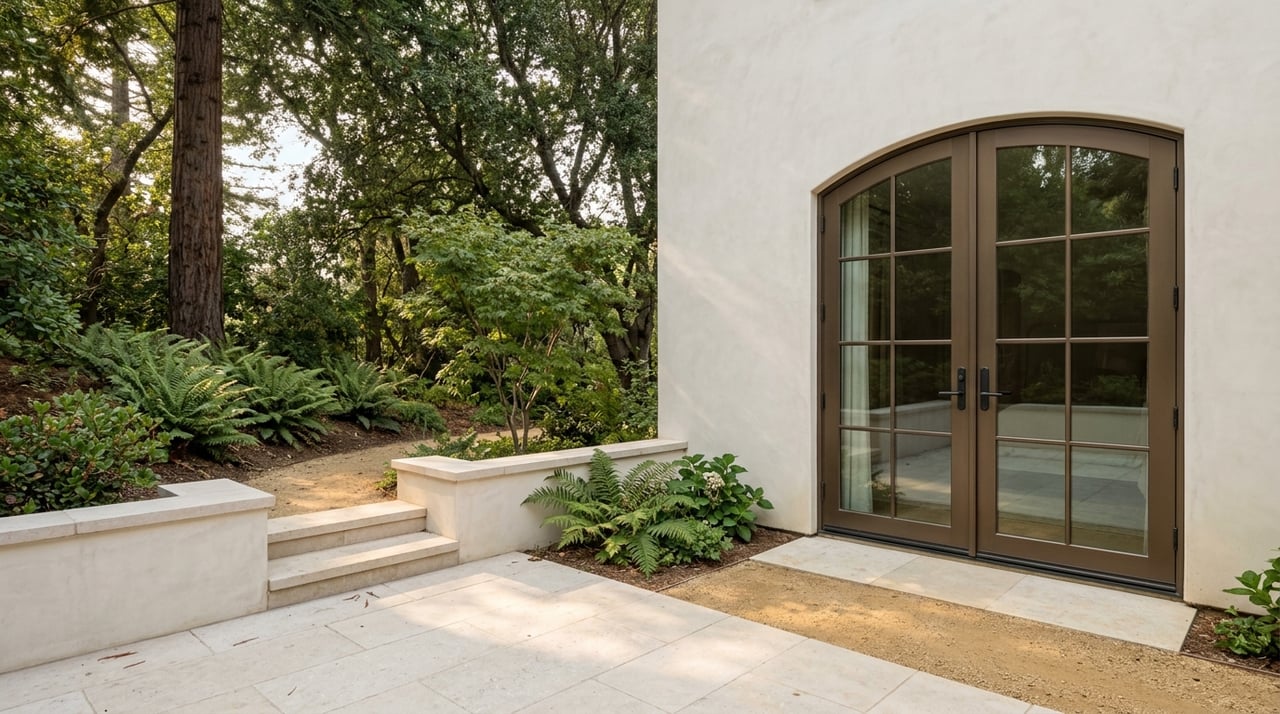
Your exterior sets the tone before buyers step inside, and in Tiburon and Belvedere, outdoor living is part of the lifestyle.
-
Landscaping and entry upgrades
- Typical cost: small refreshes often range from $ 2,000 to $ 10,000; more for hardscape or terraces.
- Focus on low-maintenance plantings, tidy pathways, fresh mulch, and a welcoming front door and lighting.
-
Decks, patios, and terraces
- Strengthen railings, resurface where needed, and stage for dining or lounging. In Marin, functional decks with good sightlines add perceived living space.
- ROI pattern: Moderate to strong when you bring spaces to marketable condition. Avoid over-improving beyond neighborhood standards.
Systems and major capital items
Roofs, HVAC, plumbing, windows, and seismic fundamentals are not flashy, but they matter to higher-tier buyers. If inspections flag a near-term roof replacement or a failing furnace, you can either address it or price accordingly. These investments often pay by removing buyer risk and preserving contract price, not by adding dollar-for-dollar value. Repair or replace items that would become sticking points, especially when they are visible in reports.
Energy and resilience upgrades
Solar, insulation improvements, water-efficient landscaping, and seismic retrofits can appeal to many Marin buyers. Perceived value varies by preference and incentives, so these upgrades are best when you can document them clearly and show reduced operating risk. Seismic work can be a trust-builder, even if the price premium is modest, because it speaks to safety and diligence.
Budget and timeline: what to plan
Use a simple, phased plan that balances impact with speed to market. In Tiburon, a polished cosmetic package often lands the best return without long delays.
-
Cosmetic package
- Scope: interior paint, lighting and hardware swaps, minor repairs, deep clean, and professional staging with quality photography.
- Typical spend: low to mid five figures for many Tiburon homes. As a share of list price, often under 1 to 2 percent for modest homes, with higher absolute dollars for larger properties.
-
Midrange refreshes
- Scope: flooring refinish or selective replacement, minor kitchen refresh, one or two bath refreshes.
- Typical spend: mid five to low six figures, depending on finishes and scale.
-
Major remodels
- Scope: full kitchen, multiple baths, layout changes.
- Typical spend: upper five to six figures or more in Tiburon.
Smart sequencing that sells
Sequence projects to capture the strongest first impressions first, then decide whether to continue.
- Pre-listing assessment
- Broker CMA, quick contractor walk-through, and staging consult. Identify features that comps reward and your home’s visible gaps.
- Immediate, high-impact fixes (about 1 to 3 weeks)
- Neutral paint, declutter and deep clean, minor carpentry and caulking, lighting and fixture swaps, staging, and pro photos. This alone can reset buyer perception.
- Midrange cosmetic upgrades (about 2 to 6 weeks)
- Refinish floors, refresh kitchen, update baths. Prioritize rooms that dominate photos and showings.
- Exterior and landscape tune-up (about 2 to 6 weeks, or staggered)
- Power wash, trim, potted plants, entry lighting, and safety repairs on decks and paths.
- Major renovations (months, only if justified)
- Proceed when comps show a clear premium for the features you plan, and you can comfortably carry costs and timeframe.
Remodel vs. list as-is: a clear decision
Use a simple net-gain model before greenlighting any big spend.
- Step 1: Estimate the renovated sale price based on local comps and your agent’s guidance.
- Step 2: Subtract renovation costs, permitting, staging, photography, and your monthly carrying costs for the full timeline.
- Step 3: Compare that net to the as-is scenario, which is the as-is price minus selling and carrying costs for a shorter timeline.
Then factor in qualitative points. If your home is the least updated among very similar comps, targeted upgrades can deliver outsized benefits. If you need to move quickly, focus on cosmetic wins and price with the market. Consider your likely buyer pool as well. Some upper-tier buyers are cash buyers who prefer to personalize; others want turnkey and will pay for it when the layout and finishes meet expectations.
When selling as-is makes sense
Sell as-is when timelines are tight, permitting risk is high, or when major remodel dollars will not move you into a higher, defensible price tier. In these cases, you can present the home clean and staged, disclose transparently, and consider offering a buyer credit for specific upgrades. This path can still produce a strong outcome if your location, views, and core fundamentals are compelling.
How concierge prep can help
If you want the benefits of a polished presentation without managing dozens of decisions, consider a pre-sale concierge approach. With a packaged solution that includes staging, cosmetic upgrades, and renovation management supported by a low-friction financing frame, you can prepare your home for market without a cash outlay upfront. The aim is simple: elevate buyer perception, shorten time on market, and help you net more, with professional oversight and a clean process.
A practical seller checklist
Use this quick list before you commit to remodels.
- Ask your agent for a CMA that shows likely sale price as-is and with targeted updates.
- Get one to two contractor bids for any project over 10,000 dollars.
- Schedule a staging consult and get photo-ready priorities for the top rooms.
- Consider a pre-listing inspection to surface negotiation items early.
- Model carrying costs for each path, including the timeline.
When you want a tailored plan for your Tiburon, San Rafael, or broader Marin property, a local, outcomes-focused approach can make the difference between a good sale and a great one. Ready to see which projects will actually move your number? Connect with Phillipa Criswell for a focused plan and white-glove execution.
FAQs
Should I paint my Tiburon home before selling?
- Yes, neutral interior paint is a high-impact, lower-cost update that consistently improves photos, showings, and buyer appeal in Marin.
Is staging worth it for luxury or near-luxury listings?
- In upper tiers like Tiburon, professional staging often shortens days on market and supports stronger offers by helping buyers visualize the lifestyle.
What kitchen updates deliver the best ROI in Marin?
- Minor refreshes, such as cabinet painting or refacing, new counters, hardware, and selective appliance upgrades, usually outperform full remodels on a percentage basis.
How long do midrange refreshes typically take?
- Plan roughly two to six weeks for flooring refinishes, a minor kitchen refresh, and targeted bath updates, depending on contractor availability and scope.
Which big-ticket items matter most on inspections?
- Roof, HVAC, windows, plumbing, and seismic items can influence buyer confidence and negotiations; fixing critical issues removes objections more than it adds price.
When should I sell as-is in San Rafael or Tiburon?
- Sell as-is when you need speed, when major renovations will not lift you into a higher price band, or when permitting risks and timelines could erode your net.