If your San Rafael bungalow or 70s ranch has great bones but dated finishes, you can still win today’s buyer without a full gut remodel. In a market where list prices hover in the seven figures, buyers here respond to clean, move-in-ready homes that feel efficient and easy to live in. The right prep plan can boost attention, shorten days on market, and protect your price. Below, you’ll see which updates deliver value in Marin, what to skip, how to time the work, and a simple way to manage it all without taking on a second job. Let’s dive in.
What today’s buyers want
Marin buyers prioritize move-in-ready condition, a fresh kitchen and baths, and a floor plan that supports work and relaxation. Usable outdoor space and indoor–outdoor flow matter, especially in San Rafael’s mild climate. Energy comfort also ranks high, including better windows and efficient heating and cooling. If you focus on these priorities, you widen your buyer pool and reduce discount-seeking during negotiations.
Start with high-ROI, low-friction updates
First impressions drive clicks, showings, and offers. A few targeted exterior and cosmetic updates typically punch above their weight in San Rafael.
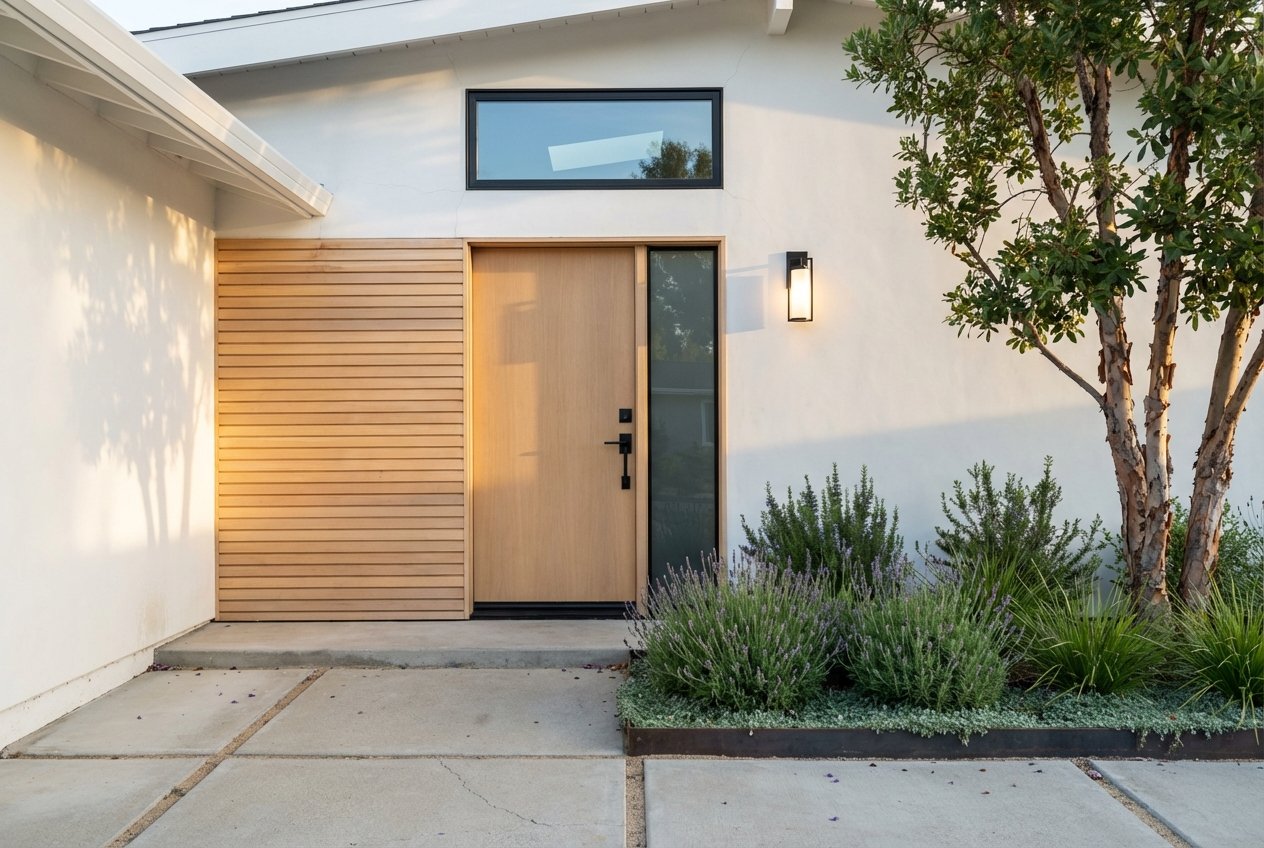
- Curb appeal: Entry and garage doors are classic high-impact swaps. Pacific Cost vs. Value data shows small-dollar door replacements often recoup very strongly at resale. See the regional breakdown in the Pacific Cost vs. Value 2025 data.
- Clean and neutral: Fresh interior paint, modern lighting, and updated hardware create a consistent look buyers notice online and in person.
- Staging: Professional staging and photos often help homes sell faster and for more. NAR’s research on home staging reports faster sale times and higher offers for staged homes.
Kitchens and baths buyers notice
You rarely need to reconfigure an entire space to make it market-ready. In Marin, modest remodels are usually the better pre-sale investment.
- Minor kitchen remodel (midrange): Keep the layout, refresh cabinet fronts or paint, update counters, appliances, and lighting. The Pacific region’s 2025 figures show an average job cost around 29,700 dollars with an estimated resale value near 38,400 dollars, for about 129 percent recoup. See details in the Pacific Cost vs. Value 2025 data.
- Midrange bathroom refresh: New vanity, fixtures, tile repairs, and lighting can transform a dated bath. Pacific data shows strong recoup, roughly 80 to 90 percent, on midrange bath projects.
- Skip the jumbo overhaul: Major or upscale kitchen remodels typically recoup less than minor updates in the Pacific results. Test scope against neighborhood comparables before you commit.
Comfort and efficiency that sell
If your home still has single-pane windows or older mechanicals, a few strategic comfort upgrades can help your home feel solid and well cared for.
- Windows: Wood window packages in the Pacific sample show greater than 100 percent recoup in some scenarios, with typical costs ranging from 18,000 to 28,000 dollars depending on scope. Review the Pacific Cost vs. Value report.
- HVAC electrification: Heat pump conversions appear as a solid-value category in the Pacific dataset. While the pure recoup is below 100 percent, buyers increasingly value efficient systems, and rebates can improve your net cost. Consider incentives through BayREN’s program update, MCE’s local programs, and federal credits in the IRS Form 5695 instructions.
Fix red flags before listing
Some older-home issues spook buyers and insurers. Address these early so they do not derail escrow or force last-minute credits.
- Electrical and plumbing: Outdated wiring or very old panels, along with certain piping types, can trigger insurance challenges in California. Plan ahead so these do not block offers. See context in the SF Chronicle reporting on insurance pressures.
- Roof, insulation, and envelope: Active roof leaks, poor insulation, or failing exterior wood can push buyers toward price reductions. Fix what is visibly compromised and document your work.
- Seismic basics: For raised-foundation homes with crawl spaces, a bolt-and-brace retrofit reduces risk and is easy to explain to buyers. Check Earthquake Brace + Bolt grants for potential funding.
- Lead-based paint: If your home was built before 1978, federal law requires you to disclose known lead hazards and provide the EPA pamphlet. Learn more in the EPA lead-based paint disclosure rules.
Permits and local review in San Rafael
Most electrical, plumbing, mechanical, and structural work requires permits and inspections. Energy-related replacements can trigger Title 24 compliance. Start permit conversations with your contractor early to avoid delays.
If your property appears in a local historical or architectural survey, some exterior changes may need extra review. Before altering exterior elements, check San Rafael’s Historic Preservation guidance.
California also requires a Transfer Disclosure Statement in most residential sales and a Natural Hazard Disclosure for mapped hazard areas. Work with your agent and escrow team to ensure these statutory materials are delivered on time.
Budget and timeline snapshot
Costs below reflect Pacific-region ranges and are useful planning markers. Your actual budget will vary by scope and selections.
- Minor kitchen remodel (midrange): About 29,000 to 30,000 dollars; Pacific data shows roughly 129 percent recoup. Source: Pacific Cost vs. Value 2025.
- Midrange bathroom remodel: About 27,000 to 28,000 dollars; recoup about 80 to 90 percent in the Pacific data.
- Window replacement (wood): Often 18,000 to 28,000 dollars depending on openings and product.
- Siding replacement (fiber‑cement): Pacific sample around the low 20,000s with recoup above 100 percent.
- Entry and garage doors: Low-thousands to replace; historically very strong recoup in the Pacific dataset.
Timing guidelines for San Rafael sellers:
- Cosmetic refresh: 1 to 3 weeks for paint, lighting, deep clean, staging.
- Light renovations: 4 to 8 weeks for a minor kitchen or bath refresh, depending on permits and lead times.
- Larger or permit-heavy scopes: 2 to 4-plus months including plan check and inspections.
Plan extra time for local labor availability and permitting compared with national averages.
A proven prep plan
Use this quick, prioritized checklist to get market-ready with minimal waste.
- Curb and entry: Tidy landscaping, pressure wash, replace the entry or garage door if worn. These are high-perception, high-recapture items in the Pacific Cost vs. Value 2025 data.
- Interior refresh: Neutral paint, updated lighting, modern hardware, and a serious clean. Pair with staging. NAR’s staging research supports shorter market time and stronger offers.
- Flooring continuity: Refinish hardwoods or install consistent midrange flooring where patchwork or damage distracts buyers.
- Kitchen refresh: Keep the footprint. Update fronts or paint, counters, appliances, and lighting. The Pacific data shows “minor kitchen” updates deliver standout ROI.
- Bathroom touch-ups: New vanity, fixtures, and tile repairs go far and typically recoup well in the Pacific sample.
- Comfort upgrades: Target obvious issues like single-pane windows or an aging furnace. Leverage BayREN’s program update, MCE’s local programs, and the IRS Form 5695 instructions to improve net costs.
- Insurance and loan blockers: Address knob‑and‑tube wiring, severely aged panels, failing supply lines, or active roof leaks before you hit the MLS. Context: SF Chronicle reporting on insurance pressures.
- Seismic basics: If eligible, pursue Earthquake Brace + Bolt grants for bolting and cripple‑wall bracing.
Concierge management, simplified
If you want the upside of preparation without the hassle, a concierge-style approach can help. Your advisor coordinates scope, gathers contractor bids, manages permits and inspections, oversees punch lists, and handles staging and photography. You get one point of contact from start to finish, often with a no cash outlay model for approved cosmetic work. This approach aligns the prep with your timing and listing strategy while protecting your bandwidth. For presentation items like staging, remember that NAR’s research on home staging shows real benefits at the offer table.
Ready to sell smarter
Older San Rafael homes have character buyers love. With a focused plan, you can keep the charm, solve the friction, and present a clean, efficient home that competes with newer listings. If you want a hands-off path to market-ready, reach out to Phillipa Criswell to explore a concierge preparation plan tailored to your property and timeline.
FAQs
What are the best ROI updates for an older San Rafael home?
- Minor kitchen remodels and entry or garage door replacements consistently rank high in the Pacific region’s returns, according to the Cost vs. Value 2025 data.
Do I need permits for a minor kitchen refresh in San Rafael?
- Many scopes that touch electrical, plumbing, or mechanical systems require permits, and some energy upgrades can trigger Title 24 compliance; confirm requirements with your contractor and plan for inspections before you start.
How do Marin energy rebates and credits work for sellers?
- Program rules change, so verify current offerings with BayREN’s program update and MCE’s local programs, and review federal credits in the IRS Form 5695 instructions before committing to upgrades.
Should I replace knob-and-tube wiring before listing?
- Old wiring and very aged panels can create insurance and lender issues that delay or block closings; address these early to avoid escrow risk, as noted in SF Chronicle reporting on insurance pressures.
What seismic upgrades make sense before selling in San Rafael?
- A basic bolt-and-brace retrofit for raised-foundation homes is a practical safety and marketability improvement, and Earthquake Brace + Bolt grants may offset costs if your ZIP code is eligible.