If you are comparing Belvedere Lagoon and West Shore, you are not just choosing between two waterfront addresses. You are choosing between two very different ways to live on the water in Belvedere. The right fit depends on how you want to use the water, how much privacy you want, and which ownership details you are comfortable managing. Let’s dive in.
Two waterfront settings, not one
Belvedere is small, with fewer than 1,000 residences and very little retail or commercial space. Public city mapping resources also make it clear that the lagoon and West Shore are separate waterfront areas, not one blended category.
That matters when you are house hunting. A home on Belvedere Lagoon and a home on West Shore may both be waterfront, but the setting, rules, and day-to-day experience can feel quite different.
Belvedere Lagoon at a glance
Belvedere Lagoon is a 66-acre artificial lagoon created in the early 1940s. It is surrounded by about 260 private residences, duplexes, and the boathouse and boatyard.
It is also fully enclosed with no public access. For shoreline owners, membership in the Belvedere Lagoon Property Owners Association is required, and membership does not automatically transfer when a property is sold.
What lagoon living feels like
The lagoon reads as more intimate and sheltered. Public descriptions point to a waterfront setting that is neighbor-oriented, protected, and managed more like a private recreational environment than an open Bay shoreline.
The association allows swimming and fishing, but watercraft rules are specific. Approved uses include mono-hulled sailboats up to 15 feet, paddleboards, canoes, pedal boats, and flotation devices, while power-driven or wind-driven foils and boards are not allowed.
Water management is part of the lifestyle
The lagoon is managed as a closed seasonal system. The water level is raised every April, creating a summer high-water and winter low-water pattern.
For buyers, that is an important distinction. If you want calm, low-speed water use with clear community rules, the lagoon may feel very appealing.
West Shore at a glance
West Shore Road is a distinct neighborhood at the western base of Belvedere Island. The city’s general plan describes it as an area dominated by one- and two-story homes first built in the 1960s.
Most homes sit on the western side of the roadway with direct frontage onto Richardson Bay. Many are on or above leased land, and many project out over the water on pilings.
What West Shore living feels like
West Shore reads as more open, dramatic, and view-forward. Public listing language often highlights private docks, boat lifts, and wide Bay views, which points to a more open-Bay lifestyle than the lagoon’s protected-water use.
That difference shows up in daily life. If you picture stepping out to broad horizons, dock access, and a stronger visual connection to the Bay, West Shore may be the better match.
Water access and boating style
One of the clearest differences between Belvedere Lagoon and West Shore is how you interact with the water.
The lagoon is member-managed and highly controlled. West Shore is more associated with private docks, boat lifts, and open-Bay access.
Lagoon water use
On Belvedere Lagoon, the experience is more about quiet recreation. Think paddleboarding, small sailboats, swimming, and a slower, more contained setting.
For some buyers, that is the whole appeal. The lagoon offers a private waterfront environment with rules that keep activity levels measured and predictable.
West Shore dock living
West Shore listings repeatedly point to private docks and boat lifts. Public examples include homes marketed with dock access, multiple boat lifts, and strong connections to the Bay.
If boating infrastructure is high on your list, West Shore often presents a different value equation. Here, the waterfront can feel more active and more directly tied to Bay access.
Privacy, views, and home orientation
Both areas have one- and two-story homes, but the visual experience is not the same.
The lagoon tends to offer more buffering. West Shore tends to offer more exposure and broader outlooks.
Belvedere Lagoon privacy and design
The city describes lagoon lots as small to moderate in size, with many homes built in the 1950s and 1960s. Homes often face the lagoon at the rear, while front yards are commonly screened behind privacy fences.
The general plan also notes that privacy is a recurring issue, which helps explain why second stories are often recessed. Architecturally, many lagoon homes reflect semi-rustic or mid-century modern forms, with low rooflines, board-and-batten siding, and large expanses of glass.
West Shore views and exposure
West Shore homes are also typically one- and two-story, but the streetscape is more exposed. The city notes that landscape screening between homes is rare, which creates a stronger visual relationship between the homes, the road, and the water.
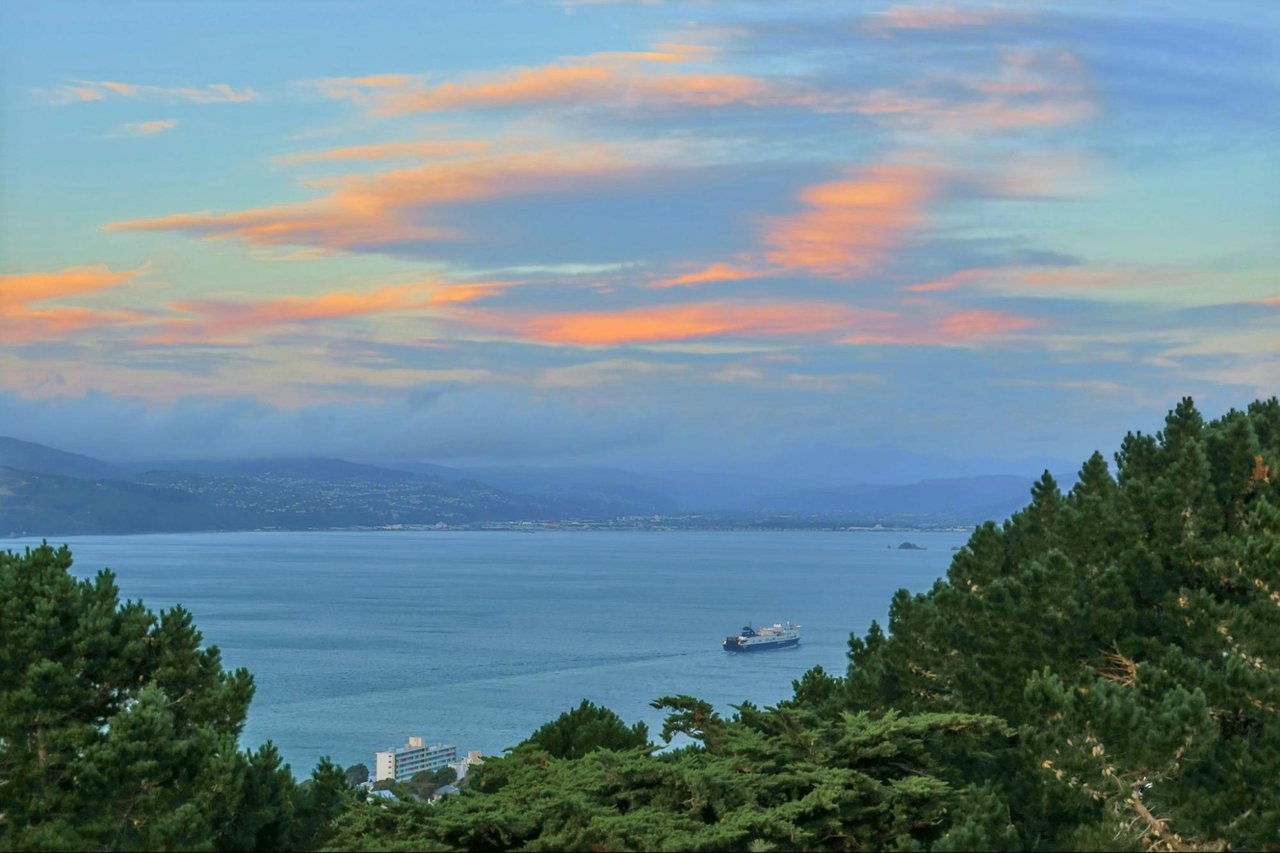
Public listings often emphasize views toward San Francisco, the Golden Gate Bridge, Sausalito, Mount Tamalpais, and the Bay Bridge. In practical terms, West Shore tends to feel less tucked away and more panoramic.
Ownership and cost differences to weigh
For many buyers, the biggest distinction is not just style. It is the ownership structure and the carrying costs behind the lifestyle.
These details deserve close review before you compare list prices alone.
Lagoon dues and transfer requirements
Belvedere Lagoon has explicit association costs. Current BLPOA dues are $570 per quarter, and the association states there is no dues increase in 2026.
The association also reports a 2025 member vote approving a one-time $600 special assessment for bulkhead and equipment work. Because shoreline ownership requires membership, and membership does not automatically transfer on sale, buyers should review that process early.
West Shore leasehold questions
West Shore can introduce a different kind of complexity. The city’s general plan says many homes are built on or above leased land.
That means two homes with similar waterfront appeal may have very different ownership structures. A public sale example at 1 West Shore Road noted that the land was not included in the price, which shows why buyers need to compare fee-simple and leasehold opportunities carefully.
Flood zones, permits, and infrastructure risk
Both Belvedere Lagoon and West Shore require flood-aware due diligence. The city states that most properties in these neighborhoods are located in AE or VE special flood hazard areas.
Flood insurance is separate from standard homeowners coverage, and floodplain projects require permit review. That can affect both ongoing costs and future improvement plans.
Local permitting matters here
Belvedere also notes that most exterior changes require Design Review, even when a building permit is not required. For buyers thinking about renovations, expansions, or waterfront improvements, this is not a minor detail.
The city’s Critical Infrastructure Project adds another layer. Beach Road and San Rafael Avenue sit on 80-year-old earthen levees that the city identifies as vulnerable to earthquake, storm, and sea-level-rise impacts, and seawall and levee repairs are already being pursued.
What shapes value most
The public record suggests that waterfront value here is driven less by address alone and more by the details of the individual property.
Across both areas, the biggest factors include:
- Dock quality
- View breadth
- Rebuild quality
- Land tenure
- Privacy or exposure
Size caps also influence long-term potential
The city’s general plan identifies a 4,000-square-foot house-size cap for R-1L lagoon properties and a 4,240-square-foot cap for R-1W West Shore properties, absent an exception permit. Floor area is also tied to lot size.
That helps explain why buyers often pay for quality of design, setting, and waterfront function rather than assuming one street always outperforms another.
Public listing signals from each setting
While listings are not a substitute for a full market analysis, they do offer helpful directional clues.
On the lagoon, public examples range from about $4.93 million for 26 Lagoon Road, based on a Zestimate on an off-market property, to a September 2025 sale at 44 Lagoon Road for $5.7 million, and an active list price of $10.5 million at 72 Lagoon Road.
On West Shore, public examples include a 2019 sale at 1 West Shore Road for $5.925 million, an active list price of $9.577 million at 27 West Shore Road, and a September 2024 sale at 39 West Shore Road for $9.875 million. Those examples reinforce the idea that both settings trade at premium levels, but for different reasons.
Which setting may fit you best?
There is no universal winner between Belvedere Lagoon and West Shore. The better choice depends on how you want the property to function in everyday life.
If you want a sheltered, member-managed waterfront with quieter recreation and a more buffered residential feel, the lagoon may be the better fit. If you want open-Bay frontage, broader views, and a more dramatic dock-and-lift lifestyle, West Shore may line up better with your goals.
Why local guidance matters
On paper, both areas are waterfront Belvedere. In reality, they involve different rules, different ownership questions, and different long-term planning considerations.
That is where local, place-based guidance becomes valuable. When you understand flood exposure, design review, land tenure, association obligations, and waterfront use before you write an offer, you can make a much more confident decision.
Whether you are buying a signature Belvedere waterfront home or preparing one for sale, working with an advisor who understands the nuances of Belvedere can save time and help you avoid expensive surprises. If you want a thoughtful, local perspective on Belvedere Lagoon, West Shore, or the broader Marin waterfront market, connect with Phillipa Criswell.
FAQs
What is the main lifestyle difference between Belvedere Lagoon and West Shore?
- Belvedere Lagoon offers a more sheltered, member-managed waterfront setting with controlled recreational use, while West Shore is more closely tied to open-Bay frontage, private docks, and broader panoramic views.
What should buyers know about Belvedere Lagoon association membership?
- Shoreline owners are required to belong to the Belvedere Lagoon Property Owners Association, and membership does not automatically transfer at sale because a new agreement must be signed and approved.
What should buyers know about West Shore land ownership?
- Many West Shore homes are on or above leased land, so buyers should verify whether a property is fee-simple or leasehold before comparing value or long-term costs.
Are Belvedere Lagoon and West Shore homes in flood zones?
- According to the City of Belvedere, most properties in both neighborhoods are in AE or VE special flood hazard areas, so buyers should review flood insurance, permitting, and infrastructure considerations carefully.
Do exterior changes in Belvedere require local review?
- Yes. The city states that most exterior changes require Design Review, even when a building permit is not required.
What tends to drive value in Belvedere waterfront homes?
- Public records and listings suggest that dock configuration, view breadth, rebuild quality, land tenure, and the level of privacy or exposure are some of the biggest value drivers in both settings.